

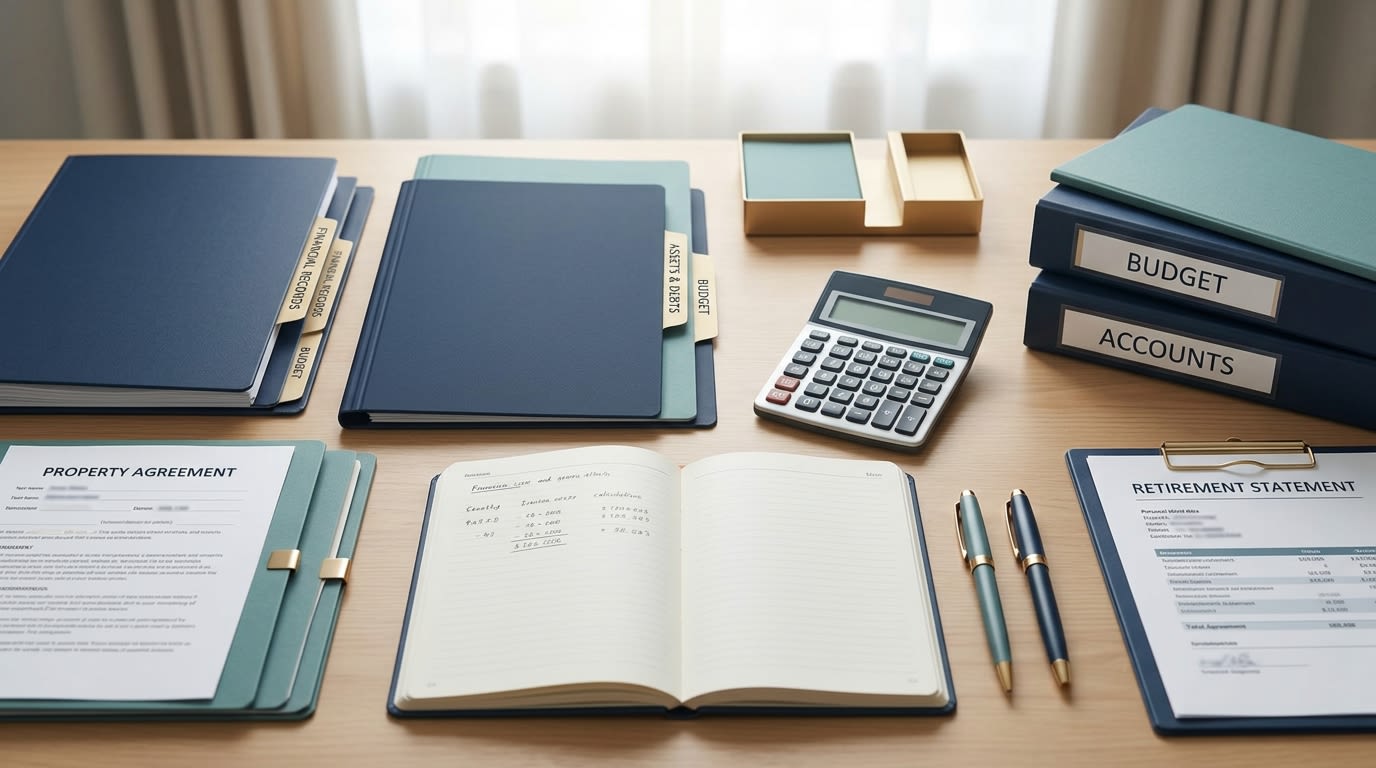
Preparing Financial Information for Florida Divorce Mediation
Preparing financial information before Florida divorce mediation can make a difficult process feel more manageable. You do not need to have every answer or document perfectly organized before mediation begins, but gathering a clear picture of income, expenses, property, debts, and accounts can support more productive discussions. At Florand Mediation, LLC, we help people in Sarasota, Venice, and throughout Southwest Florida approach family mediation with compassion, structure, and respect.
Mediation is a confidential process led by a neutral third party. It is designed to help participants communicate, identify issues, and explore workable agreements. A mediator does not provide legal advice or decide what the outcome should be. However, having reliable financial information available can help everyone spend less time searching for details and more time focusing on meaningful conflict resolution.
Why Financial Organization Matters in Divorce Mediation
Financial conversations can be among the most stressful parts of a Florida divorce. When information is incomplete, unclear, or scattered across multiple accounts and documents, it may be harder to discuss options calmly and efficiently. Organized records can give each person a more complete understanding of the household’s financial circumstances.
That clarity does not guarantee a particular agreement, and it does not replace guidance from a Florida family law attorney when legal advice is needed. It can, however, make it easier to ask informed questions, clarify misunderstandings, and participate more confidently in divorce mediation.
Florand Mediation, LLC encourages clients to view preparation as a practical step, not a test. Bring what you have, identify what may still be needed, and allow room for questions during the process.
Collect Income Records and Employment Information
Start by gathering records that help show current and recent income. Depending on your circumstances, these may include pay stubs, tax returns, W-2s, 1099 forms, bonuses, commissions, benefit statements, and documentation of self-employment income.
If either person owns or works in a business, available business financial records may also be relevant to the conversation. This could include profit-and-loss statements, balance sheets, business tax returns, or information about regular draws and distributions. The goal is not to make assumptions about value or income, but to ensure the discussion is based on a shared understanding of available information.
Create a Clear Picture of Monthly Expenses
A realistic monthly expense list can help ground financial discussions in day-to-day life. Consider household costs such as rent or mortgage payments, utilities, groceries, transportation, medical expenses, insurance premiums, childcare, school-related costs, subscriptions, and recurring personal expenses.
For parents, it may also be helpful to note children’s regular needs, including health care, activities, school supplies, tutoring, or other ongoing costs. These details can be useful when discussing child support, co-parenting arrangements, and parenting plans. They do not determine an outcome, but they can help keep the conversation specific and focused.
List Debts Alongside Assets
It is easy to focus on bank balances and property while overlooking the full picture of debt. Before Sarasota mediation or another Florida divorce mediation session, prepare a list of credit cards, personal loans, auto loans, mortgages, home equity lines of credit, medical bills, tax obligations, and other liabilities.
For each debt, include the current balance, monthly payment, interest rate if available, the account holder or holders, and whether the obligation is secured by property. Having this information in one place can reduce confusion and help participants discuss financial responsibilities more clearly.
Gather Bank, Investment, and Retirement Account Statements
Bring recent statements for checking and savings accounts, certificates of deposit, brokerage accounts, investment accounts, retirement plans, pensions, and other financial holdings. This may include 401(k), 403(b), IRA, Roth IRA, SEP IRA, or deferred compensation account information.
It can also be useful to note the name of the institution, account type, approximate balance, and whose name appears on the account. If an account has changed significantly in value or activity, recent and historical statements may help provide context. Florand Mediation, LLC can facilitate respectful discussion around the information participants bring, while remaining neutral and without advising either party about legal rights or financial outcomes.
Document Real Property and Business Interests
Real property often raises important questions during a Florida divorce. Prepare information about a primary residence, vacation home, rental property, vacant land, or any other real estate interest. Helpful materials may include mortgage statements, property tax information, purchase documents, insurance declarations, appraisals, and records of major improvements.
If either spouse has an ownership interest in a business, partnership, professional practice, or limited liability company, collect basic documentation that identifies the interest and available financial records. Some situations may require additional professional input outside mediation. Still, bringing organized records can help identify what questions need to be addressed and what information may be missing.
Review Insurance Coverage and Related Costs
Insurance is another important part of the financial picture. Consider health, dental, vision, life, disability, auto, homeowner’s, renter’s, and umbrella coverage. Bring policy summaries or declarations pages when available, along with information about premiums, deductibles, coverage for children, and any employer-provided benefits.
For parents, health insurance and uninsured medical expenses can be especially important topics to identify before discussing a parenting plan or child support. Clear records can help both people understand existing coverage and raise practical questions without turning mediation into a guessing exercise.
Prepare Questions About Child Support and Alimony
It is normal to have questions about child support or alimony discussions. Before mediation, consider writing down the topics you want to understand better. For example, you may want to discuss income information, recurring child-related expenses, health insurance, parenting time, temporary financial arrangements, or changes that could affect future needs.
A Florida mediator can help participants have an organized conversation about these subjects, but does not provide legal advice, calculate legal obligations, or tell either person what they should agree to. If you need advice about Florida family law, legal rights, or the possible effect of an agreement, you may wish to speak with an attorney before or during the mediation process.
A Simple Financial Preparation Checklist
Recent pay stubs, tax returns, and other income records
A monthly household and child-related expense list
Statements for bank, investment, and retirement accounts
A list of debts, balances, monthly payments, and account holders
Documents related to homes, land, vehicles, and other significant property
Available records for business interests or self-employment
Insurance declarations pages and premium information
A written list of questions or concerns to raise during mediation
Making Space for Productive Family Mediation
Divorce mediation is not about having perfect paperwork or resolving every concern before you arrive. It is about creating an opportunity for thoughtful communication and practical problem-solving. When financial information is easier to locate and understand, participants may be better able to focus on the decisions in front of them.
Florand Mediation, LLC provides compassionate mediation services for individuals and families in Sarasota, Venice, ZIP code 34233, and communities across Southwest Florida. Whether your discussions involve financial matters, child custody concerns, co-parenting, child support, or other family conflict, preparation can help create a calmer setting for dispute resolution.
FAQ
Do I need every financial document before Florida divorce mediation?
No. It is helpful to gather as much relevant information as you reasonably can, but you do not need to delay a conversation because your records are not perfect. Bring what is available, identify what is missing, and be prepared to discuss how additional information may be obtained.
Can a mediator tell us how to divide our property or debts?
A mediator remains a neutral third party and does not make decisions for participants or provide legal advice. Mediation can help you discuss information, identify issues, and explore possible agreements. An attorney can provide advice about your individual legal questions.
What financial information is helpful for child support discussions?
Income records, health insurance costs, childcare expenses, recurring child-related expenses, and information connected to parenting time may be useful topics to organize. The appropriate information depends on each family’s circumstances.
Should business records be included in family mediation?
If a spouse owns a business or has a financial interest in one, available business records can help clarify the broader financial picture. Depending on the circumstances, participants may also need input from an attorney, accountant, valuation professional, or other qualified advisor.
Can Florand Mediation, LLC help if we live outside Sarasota?
Yes. Florand Mediation, LLC serves clients throughout Florida, including many families from Venice, Sarasota, and the Gulf Coast region. If you are preparing for Florida divorce mediation and would like to discuss the process, schedule a free phone consultation with Florand Mediation, LLC.